
In an era of increasing cyber threats and connected devices, network segmentation is an effective investment that can dramatically improve a business’ security and resilience.
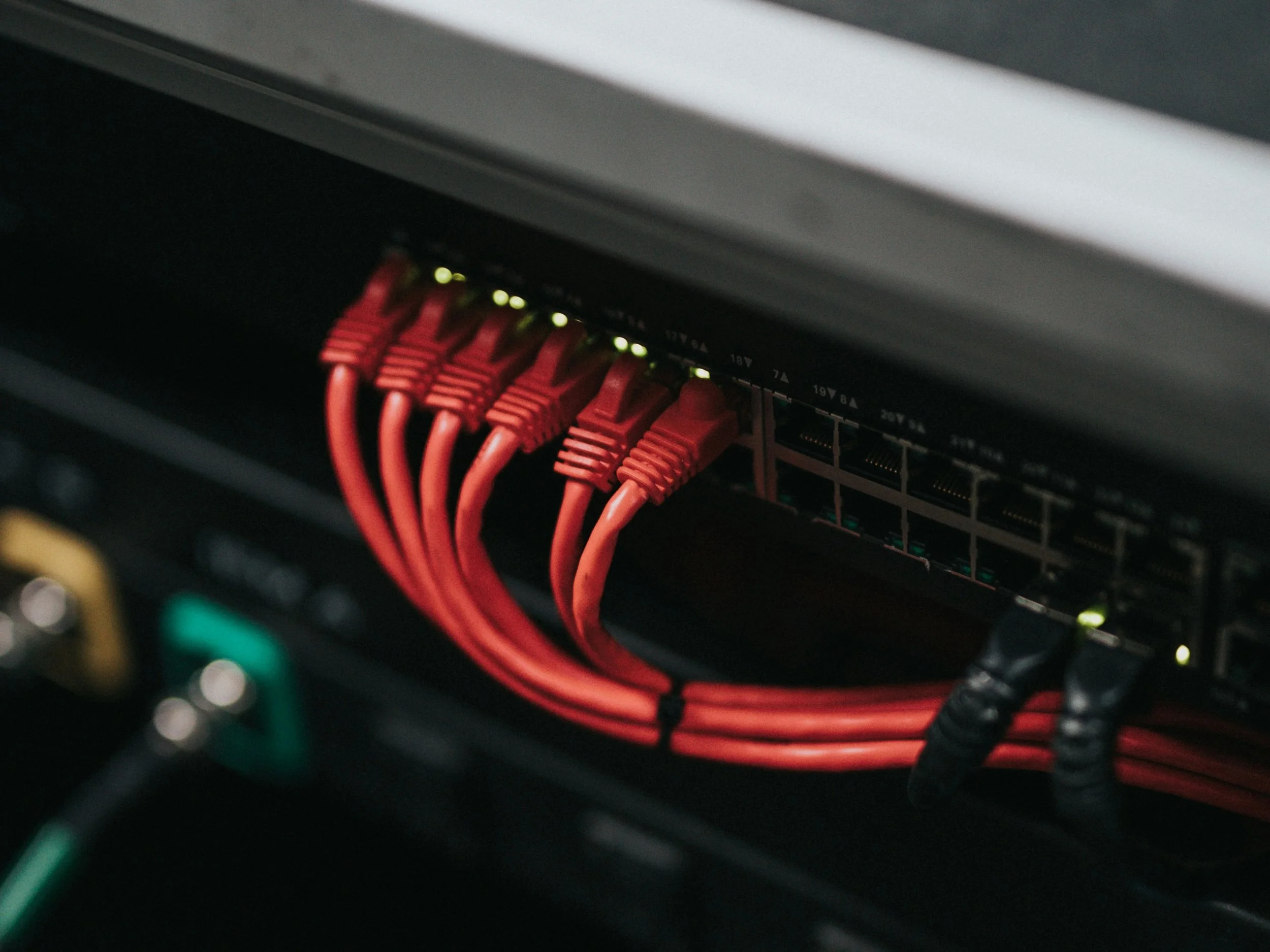
Instead of a flat network shared by all computers, servers, security cameras, meeting room technology (AV), VoIP phone systems, guest Wi-Fi and other devices within a-n organisation, network segmentation is when the network is divided into smaller, isolated sections. The two main reasons why it’s important for your business:
Cybersecurity & reducing the impact of ransomware
Improving network performance
Cybersecurity & reducting the impact of ransomware
Once cybercriminals gain access to a network, they often attempt to move between systems to reach valuable data and critical infrastructure.
When your IT network is set up with segmentation, attackers are limited to boundaries and pose less as a threat than if they had access to an entire network complete with financial systems or customer data. Moreover, ransomware spreads rapidly across devices, file shares, and critical systems.
While segmentation may not prevent every attack, it can significantly limit the damage and improve recovery outcomes.
Improving Network Performance
Network segmentation also delivers operational benefits.
Applications such as video conferencing, cloud backups, and security camera systems can consume substantial bandwidth. By placing these services on dedicated network segments, businesses can prevent congestion and prioritise critical traffic.
This leads to a more reliable and consistent user experience across the organisation.
~
When did you last check your network’s resilience?
Network segmentation is no longer reserved for large enterprises. It has become a fundamental component of modern network design. If you believe your network could benefit from a review, contact UComm for a conversation.